Advertisement
Most people stick with manual toothbrushes simply because “that’s what we’ve always used.” We brush quickly, hope it’s clean enough, and move on — without truly knowing if plaque is gone. Enter electric toothbrushes: many wonder if they’re just a marketing gimmick. Spoiler: they’re not. In 2026, with advanced models offering timers, pressure sensors, and app feedback, electric toothbrushes deliver superior cleaning for most users.
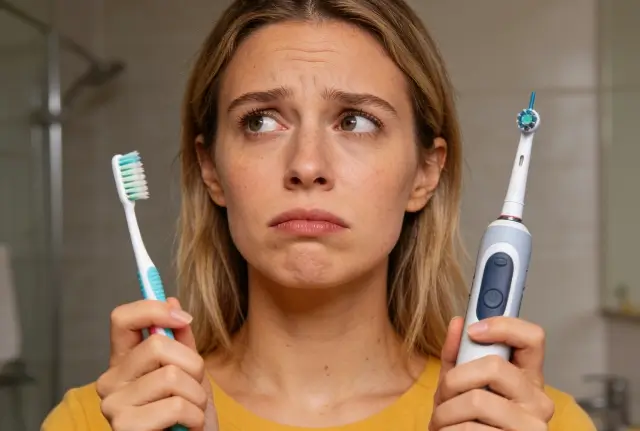
Here are clear side-by-side comparisons showing electric vs. manual toothbrushes (notice the more even, thorough coverage with electric models):
1. Superior Cleaning Power & Efficiency
Electric toothbrushes vibrate at up to 29,000+ movements per minute (some models reach 60,000+), while the fastest manual brushing tops out at about 300–600 strokes per minute. This high-frequency oscillation + sonic/fluid dynamics creates tiny bubbles that reach between teeth and along the gumline — removing more plaque than manual brushing alone.
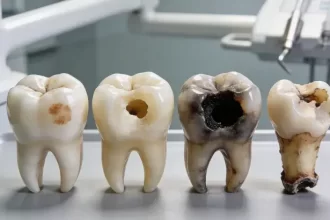
Here are impressive before-and-after close-ups showing dramatic plaque reduction after using an electric toothbrush (visible cleaner teeth and gumline):
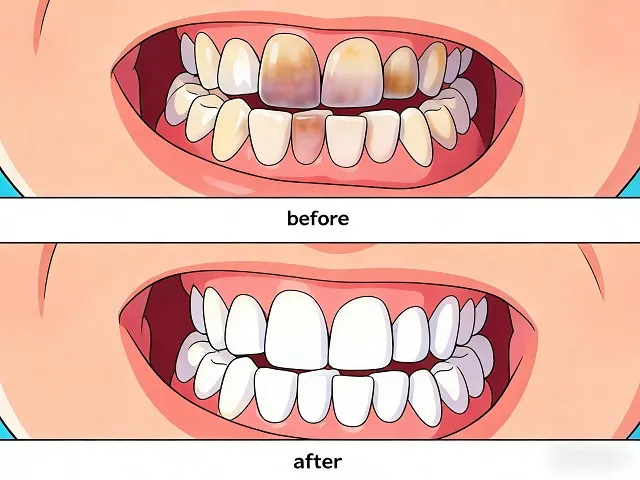
Studies consistently show electric toothbrushes remove up to 21% more plaque and reduce gingivitis more effectively than manual ones.
2. Built-in Timer Ensures Proper Duration
Most people underestimate how long they brush — often finishing in under 1 minute instead of the recommended 2 minutes. Electric toothbrushes solve this with automatic 2-minute timers and quadrant pacing (30-second alerts to move to the next section).
Check out these examples of users with electric toothbrushes showing the built-in timer display and quadrant reminders in action:
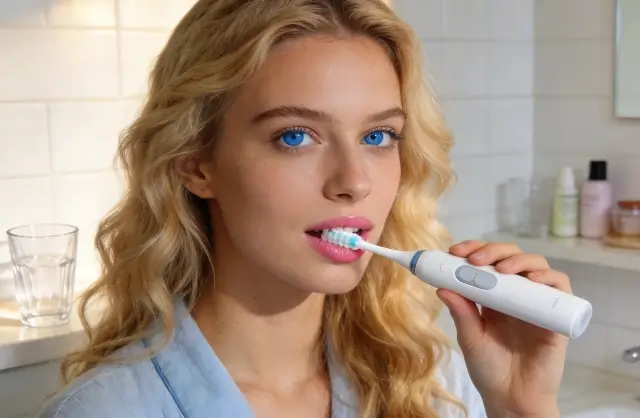
No more guessing — the brush tells you exactly when you’re done.
3. Safer, More Consistent Technique
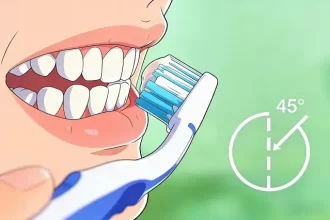
Achieving perfect Modified Bass technique manually is hard for most people (45° angle, gentle vibration, sweeping motion). Electric toothbrushes mimic this optimally with consistent pressure and motion — reducing the risk of over-brushing, which can wear enamel or irritate gums.
Many dentists actively recommend electric models to patients for better long-term oral health:

Who Should Not Use an Electric Toothbrush?
They’re not for everyone — certain conditions require caution:
- Severe gum disease (periodontitis), inflammation, or loose teeth — high vibration can worsen bleeding, pain, or damage
- Extreme tooth sensitivity — vibration might expose dentin or increase discomfort
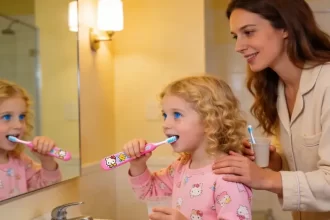
- Young children (under 6–8) or elderly with limited dexterity — manual brushes are often safer until technique is mastered
If you fall into these groups, consult your dentist first — they may recommend a gentle/sensitive mode or stick with manual.
Final Verdict: Should You Switch in 2026?
For most healthy adults and teens: Yes — the cleaning boost, built-in guidance, and gum protection make electric toothbrushes a worthwhile upgrade. Start with a reputable brand (Oral-B, Philips Sonicare, etc.) that has pressure sensors and soft bristles.
Kick off the new year right — your gums, enamel, and dentist will thank you!
Have you made the switch to electric? What difference did you notice? Share in the comments! 🦷✨