Advertisement
Struggling with traditional string floss? Many people find it tricky, time-consuming, or uncomfortable — so it’s natural to wonder: Can a water flosser (oral irrigator) completely replace regular dental floss?
The short answer: No, not completely — but they complement each other beautifully.
Water flossers excel at removing visible food particles and are often more effective for overall plaque reduction and gum health, while traditional floss provides superior mechanical scraping for tight interproximal areas and stubborn bacterial biofilm.
Let’s break it down with the latest insights (as of 2025-2026 studies) so you can choose what works best for your mouth.
Why Water Flossers Feel Like a Full Replacement (But Aren’t Quite)
Visible food debris? A water flosser blasts it out with a pulsating stream — often leaving your mouth feeling instantly cleaner. That’s why many think “this replaces floss!”
However, the real danger isn’t just what you see — it’s the invisible plaque and bacteria that cause cavities, gum disease, and even systemic issues.
Recent systematic reviews and clinical trials (including 2023–2025 studies) show:
- Water flossers are frequently superior to string floss for reducing plaque overall and especially for decreasing gingival inflammation and bleeding.
- They remove more plaque in hard-to-reach areas and are easier for beginners, people with braces, or those with limited dexterity.
But traditional floss wins where it matters most: direct mechanical friction on tooth surfaces between teeth, disrupting tightly adhered bacteria that water pressure alone might miss.
Bottom line from the evidence: Use both for the best results. Don’t choose one over the other — combine them!
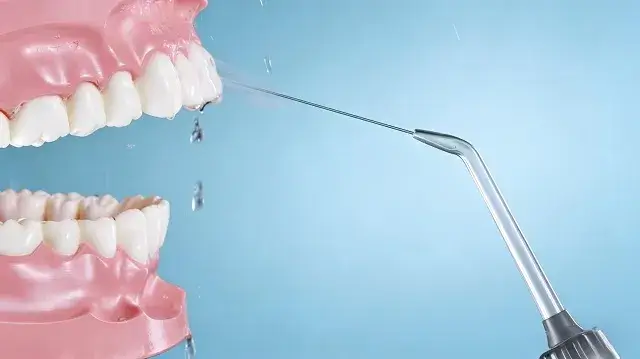
Here are some demonstrations of proper water flosser use:
The Analogy That Makes It Click
Think of your oral hygiene routine like a shower:
- Brushing = daily shower (cleans most of the surface)
- Water flosser = shower massage (great for rinsing and loosening dirt)
- Traditional floss = exfoliating scrub (physically removes stuck-on grime from cracks and crevices)
Skip the “scrub,” and buildup happens — leading to plaque, tartar, gum disease, and potential tooth loss.
Worse still: Poor oral health isn’t just local. Bacteria from untreated gum disease can enter your bloodstream, triggering inflammation linked to higher risks of heart disease, stroke, and other conditions.
Flossing & Your Heart: The Surprising Connection
Studies have long associated periodontal (gum) disease with increased cardiovascular risk — bacteria and inflammation play a role in artery damage.
One popular claim (from Dr. Michael Roizen’s Real Age book) suggests daily flossing can add up to 6.4 years to your life by keeping arteries healthier. While the exact number is debated, the link between good oral hygiene and reduced heart disease risk is well-supported.
Types of Traditional Dental Floss: Find Your Perfect Match
Traditional floss comes in many varieties — here’s a quick guide to help you pick:
Here are some visual comparisons of different floss types:
- Waxed vs. Unwaxed
- Waxed: Glides easily, less shredding — great for tight teeth or beginners.
- Unwaxed: Thinner, better grip for plaque removal — ideal for very tight spaces (but may fray).
- PTFE (Teflon-like): Super-slick, slides effortlessly, rarely shreds — excellent for tight contacts or braces.
- Dental Tape / Ribbon: Wider and flatter — perfect for larger gaps between teeth.
- Flavored / Fluoride-coated: Adds fun (mint, fruit) and extra cavity protection.
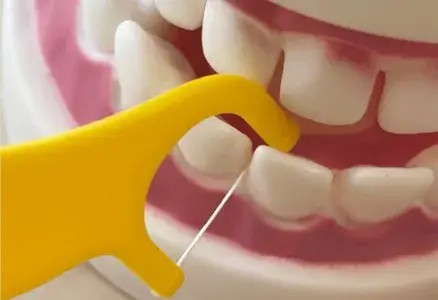
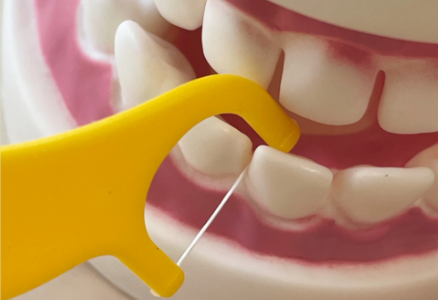
- Floss Holders / Picks: Y-shaped handles with pre-strung floss — easier for back teeth or kids.
- Vibrating / Electric Flossers: Add gentle vibration for extra cleaning power (more expensive but user-friendly).
Proper traditional flossing technique is key — here’s how it should look:
Pro Tip: Curve the floss into a C-shape around each tooth, slide gently under the gumline, and move up/down — not like sawing!
The Bottom Line: Best Routine for Most People
- Brush twice daily
- Use a water flosser daily (especially after meals for visible debris and gum massage)
- Follow with traditional floss once a day (focus on mechanical scraping)
- See your dentist regularly for cleanings
This combo gives you the broadest protection against plaque, gingivitis, and long-term risks.
Flossing isn’t optional in developed countries — it’s as routine as handwashing after meals. Start small, find tools that feel good, and your gums (and heart!) will thank you.
What’s your go-to interdental cleaner — string floss, water flosser, or both? Share in the comments — your experience might help someone else! 🦷✨