Advertisement
Cavities — also known as tooth decay or caries — are one of the most common oral health problems worldwide. They start small but can lead to pain, infection, and tooth loss if ignored. The good news? Most cavities are preventable with the right knowledge and habits.
The widely accepted explanation for why cavities form is the “Four-Factor Theory” (also called the Keyes diagram): bacteria + sugar (diet) + host (you) + time.
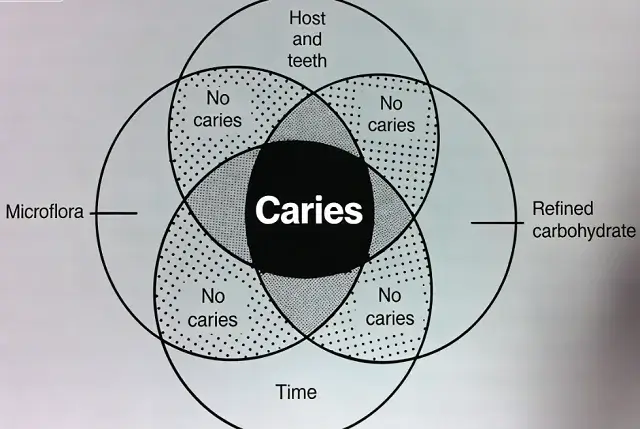
1. Understanding the Four Main Causes of Cavities
- Bacteria Your mouth is full of bacteria. Harmful ones (especially Streptococcus mutans) form plaque on teeth. When they feed on sugars, they produce acids that dissolve tooth enamel (demineralization), creating cavities.
- Diet (Sugars & Carbohydrates) Sugars and starches are the main “fuel” for cavity-causing bacteria. Frequent snacking, sipping sugary drinks, or prolonged exposure (e.g., baby bottle at night) dramatically increases risk.
- Host Factors (You & Your Teeth)
- Deep pits/fissures on molars trap food & bacteria
- Crowded/crooked teeth make cleaning difficult
- Poor saliva flow (dry mouth) reduces natural protection
- Overall health, nutrition, and genetics affect enamel strength
- Time Decay doesn’t happen overnight — it takes repeated acid attacks over time. The longer plaque & sugars stay on teeth, the worse the damage.
2. How to Prevent Cavities (Proven Strategies)
Prevention directly targets each of the four factors.
A. Remove Plaque Daily — Brush & Clean Effectively
Start early! Even before the first tooth erupts, gently clean your baby’s gums with a soft cloth after feeding.
Here are examples of proper Modified Bass technique brushing (best for removing plaque at the gumline):
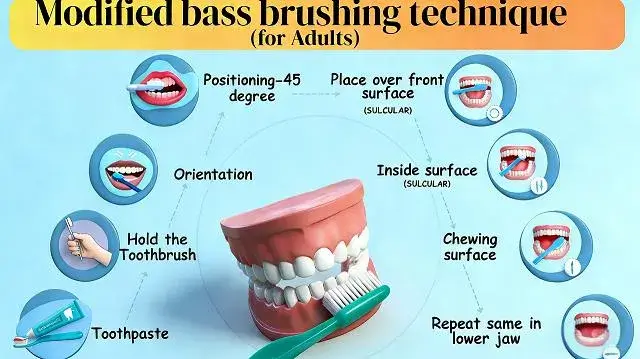
Key brushing tips by age:
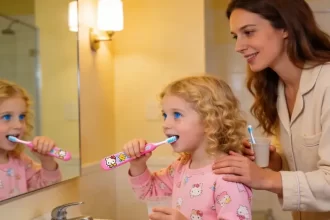
- 0–3 years — Parents use soft brush/finger brush + rice-grain size fluoride toothpaste
- 3–6 years — Pea-sized fluoride toothpaste (children can spit, not swallow) Here’s the right amount for kids:
How to decide the correct amount of toothpaste for a child?
- 6+ years & adults — Brush 2 minutes twice daily using Modified Bass method
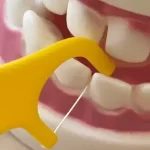
- Add floss (or water flosser) daily
- Rinse after acidic/sugary foods (wait 30 min before brushing)
B. Control Sugar Intake
- Limit sugary snacks/drinks — especially between meals
- Use xylitol gum/products as a sugar substitute
- Avoid prolonged bottle/sippy cup use (especially at night)
- Eat fibrous foods (veggies, apples) to naturally clean teeth
C. Strengthen & Protect Teeth
- Seal pits & fissures — Apply dental sealants on molars (highly effective, often free for kids 6–7 years old for first permanent molars)
- Fluoride treatments (varnish, gel, or toothpaste) strengthen enamel
- Fix crooked teeth with orthodontics when needed
- Protect baby teeth — early loss affects permanent teeth alignment
- Remove problematic wisdom teeth early
D. Time — Schedule Regular Check-ups
- First visit: When the first tooth erupts (or by age 1)
- Kids: Every 3–6 months
- Adults: Every 6–12 months (more often if high risk) Early detection = easy, painless fixes!
3. How to Handle Cavities When They Appear
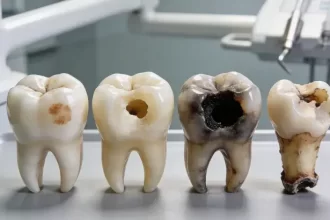
Early detection is key — many cavities start without pain (especially in kids).
Here are examples of early childhood caries before and after treatment:
If you notice dark spots, sensitivity, or holes:
- See a dentist immediately — small cavities can be filled painlessly with composite resin (tooth-colored fillings)
- Examples of typical dental fillings:
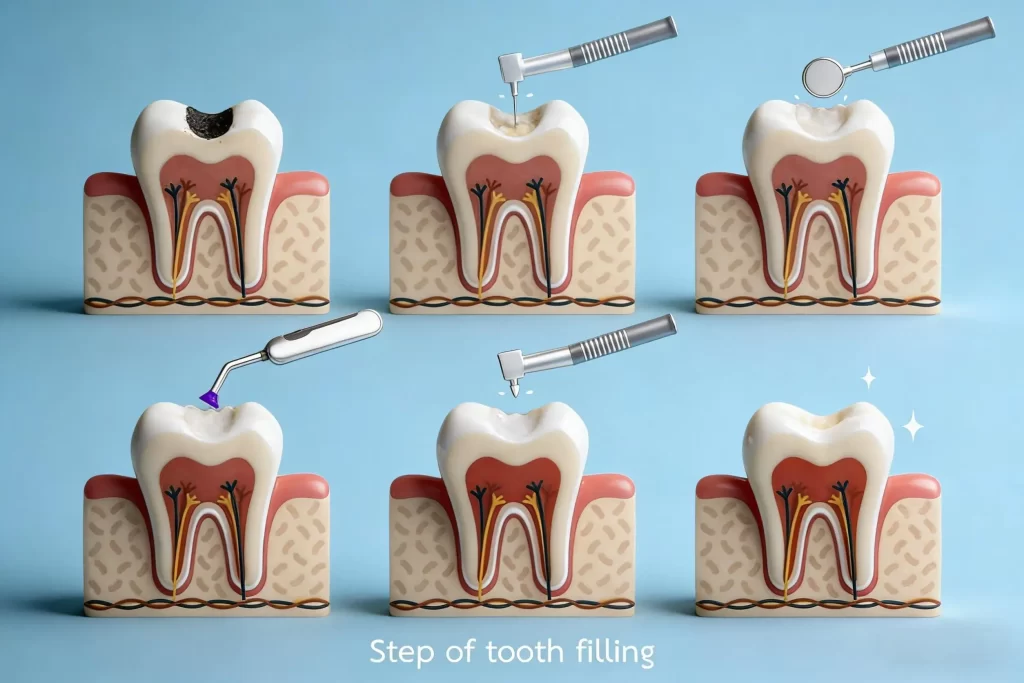
Never wait — once decay reaches the nerve, you’ll need root canal treatment or extraction. “Toothache is no small thing when it hurts!”
Final Thoughts
Cavities are caused by a combination of bacteria, sugar, your unique mouth environment, and time — but you have the power to break the cycle.
Build good habits early, clean effectively, limit sugar, protect vulnerable teeth, and see your dentist regularly. Your future smile (and wallet) will thank you!
Have you ever had a cavity? What prevention tip worked best for you? Share in the comments — your experience could help someone else! 🦷✨