Advertisement
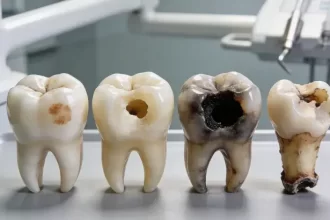
Baby teeth (primary teeth) matter more than many parents realize. Decay in baby teeth doesn’t just cause pain — it can affect chewing, nutrition, speech development, permanent teeth alignment, and even overall health. Severe cases may lead to chronic infections that impact other parts of the body, or cause psychological effects from poor appearance.
At age 4, children are in a critical learning phase for language and habits. Starting good oral care now sets them up for a lifetime of healthy smiles. Here’s how parents can gently and effectively cultivate strong oral health awareness in young kids.
1. Start with Daily Care: Build Scientific Brushing & Eating Habits
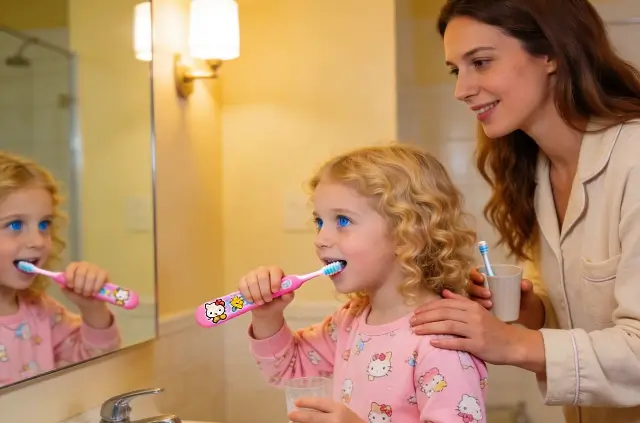
At 4 years old, children’s fine motor skills aren’t fully developed, so they usually need parental help to brush effectively.
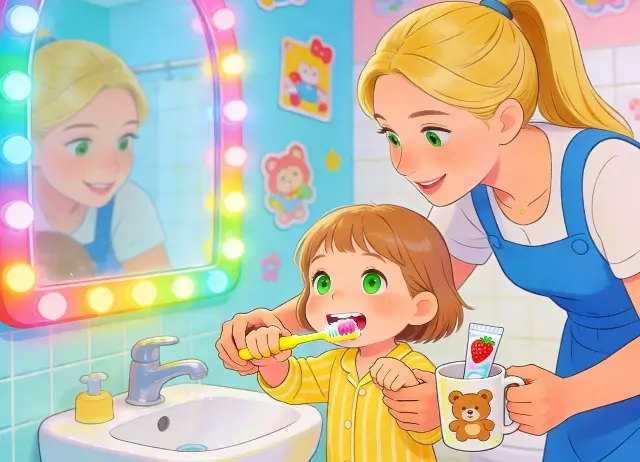
Here are some heartwarming examples of parents gently helping 4-year-old children brush their teeth properly:
Key daily routine tips:
- Brush twice a day (morning & night) using a child-specific soft toothbrush and fluoride toothpaste (rice-grain size amount for ages 3–6)
- Use the circular (Fones) method — gentle circles covering inner, outer, and chewing surfaces
- Brush for at least 2 minutes each time
- After meals/snacks → have the child rinse with plain water to clear food debris
- Limit sugary treats (candy, cakes, juice) — choose healthier options like unsweetened yogurt, veggie sticks, or cheese
Schedule professional checkups every 3–6 months with a pediatric dentist for early detection and fluoride treatments.
2. Make It Fun: Use Playful Ways to Teach Oral Health Importance
Dry lectures rarely work with young kids. Turn learning into play!
Recommended fun tools:
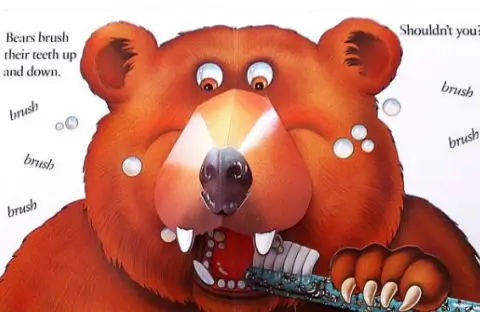
- Children’s dental picture books — stories like “Little Bear Brushes His Teeth” make brushing exciting and memorable
Here are adorable examples of cute children’s dental health books featuring bears and friendly characters brushing teeth:
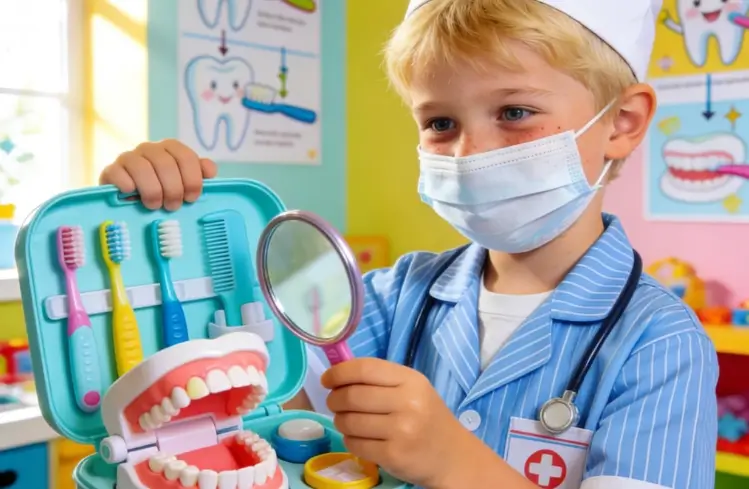
- Role-play “Little Dentist” — let your child “treat” a stuffed animal or doll by brushing its teeth, while you demonstrate correct technique
Fun examples of children happily playing dentist and brushing toy dolls/teeth:
- Use cartoon toothbrushes and fruit-flavored toothpaste to make brushing enjoyable
- Create a “Brushing Reward Chart” — add a star sticker for each successful session. Collect enough stars for a small non-food reward
Here are cheerful kids’ brushing reward charts with stars and fun designs:
Positive reinforcement builds lasting habits!
3. Lead by Example: Create a Healthy Family Environment
Children learn best by watching. Make oral care a family activity.
Here are joyful families brushing teeth together as part of their morning routine:
Parent tips:
- Brush your own teeth mindfully in front of your child
- Limit sweet snacks as a family rule
- When visiting the dentist, stay positive — describe the dentist as a “tooth superhero” who keeps smiles strong
Here are smiling children happily at pediatric dentist checkups, showing it’s a fun and positive experience:
Avoid scary phrases like “If you don’t brush, the dentist will pull your teeth!” — this creates dental anxiety.
Final Thoughts
Building oral health awareness in young children takes patience and consistency, but the payoff is enormous: healthy baby teeth, better permanent teeth alignment, confident smiles, and a lifetime of good habits.
Start small today — with gentle help, fun stories, family routines, and regular checkups. Your child’s future self (and dentist!) will thank you.
How are you teaching your little one about brushing? Share your favorite fun tip in the comments! 🦷✨