Advertisement
Many parents and adults wonder: When is the ideal time to get braces or clear aligners? Is it better to wait until the teen years, or can adults still achieve great results? The answer depends on growth, dental health, and the type of misalignment — but timing plays a huge role in safety, effectiveness, and outcomes.
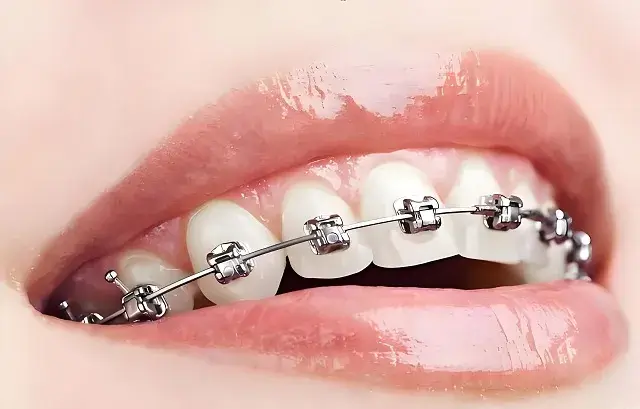
Why Adult Orthodontics Is More Challenging (After Age 18)
By around age 18–20, jaw growth is complete and teeth have settled into their permanent positions. Correcting alignment at this stage often requires:
- Extractions to create space (permanent teeth don’t grow back!)
- Slower tooth movement due to reduced bone remodeling
- Higher risk of complications like gum recession, loose teeth, or accelerated periodontal issues
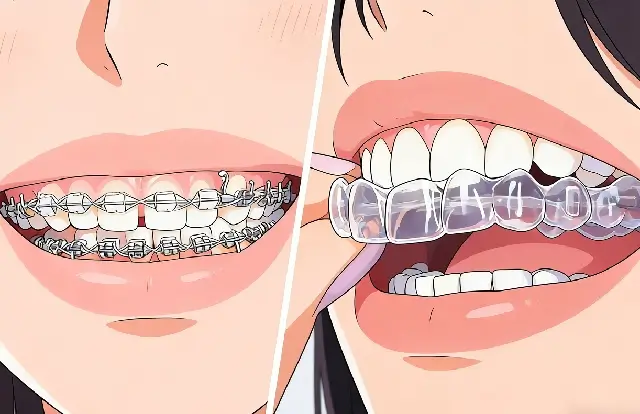
Here are examples of adult orthodontic results using braces or clear aligners (before and after):
Adults also tend to have more pre-existing conditions:
- Higher rates of cavities and gum disease
- Old fillings, crowns, missing teeth, or worn enamel
- TMJ issues or bite problems
While modern options like clear aligners (Invisalign-style) make adult treatment more discreet and comfortable, extraction cases still carry higher risks — including large gaps, tooth mobility, or early gum recession if things don’t go perfectly.
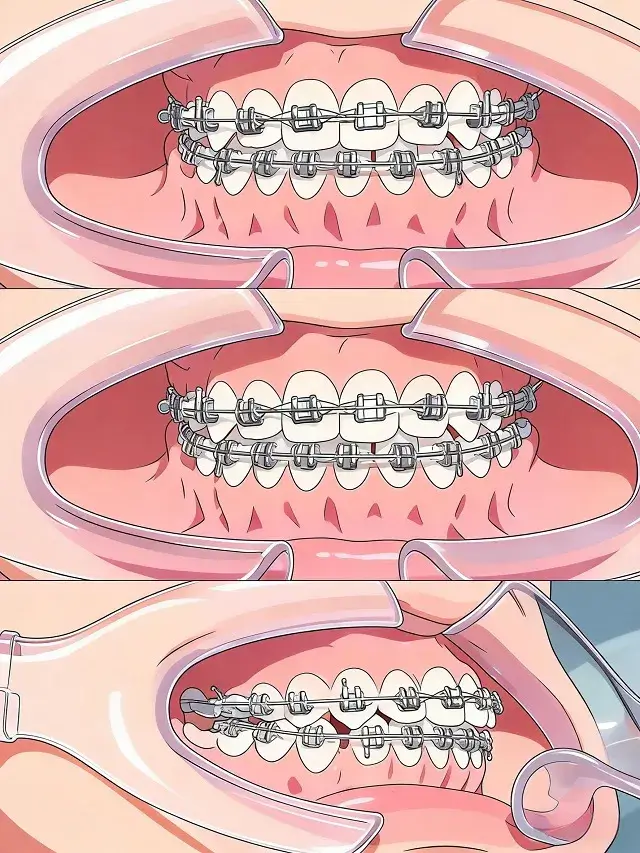
Here are visual examples of common adult gum complications (recession and periodontal issues) that can sometimes be linked to complex orthodontic movement:
Bottom line for adults: Treatment is possible and often successful, but weigh the benefits carefully against potential risks — especially if extractions are needed.
The Golden Window: Best Age for Most Orthodontic Treatment
The optimal time for most orthodontic corrections is during the mixed dentition phase — right after baby teeth are lost and permanent teeth are erupting, but while jaw growth is still active.
- Girls: Usually 10–12 years old
- Boys: Usually 11–13 years old
At this stage:
- Jaw growth is at its peak → easier to guide bone development
- Teeth move faster and more predictably
- Less chance of needing extractions
- Shorter overall treatment time
Here are examples of early/mixed dentition stage orthodontic intervention in children:
Important Exceptions: Early Intervention Is Crucial for Certain Issues
Some problems (especially jaw-related) benefit from much earlier treatment — as young as 6–9 years old:
- Underbite (lower jaw forward — “geobatien” or Class III)
- Crossbite
- Severe open bite
Waiting too long can make these cases require surgery later. Early interceptive orthodontics can guide jaw growth and often avoid more invasive fixes.
Examples of early correction for bite/jaw issues in children:
(Unfortunately, specific underbite correction images were limited in search, but the principle is clear: catch these early!)
Final Recommendation
There is no single “best” age — it depends on the individual case. But for most people:
- Ideal window: 10–13 years (during active growth)
- Early intervention: 6–9 years for jaw discrepancies
- Adults: Possible with modern tools, but higher risks & longer treatment — consult an experienced orthodontist for a thorough evaluation
The earlier you address issues (when appropriate), the simpler, faster, and safer the process usually is.
Has your child (or you) started orthodontic treatment? What age did you begin, and how has it gone? Share in the comments — your story might help other parents! 🦷✨